

How to Choose the Best Duvet Cover Fabric
A duvet cover can look beautiful on the bed and still be wrong for how you actually sleep. That is usually where disappointment starts - not with the colour or the cut, but with the fabric. If your bedroom runs warm, if you have sensitive skin, if you want bedding that lasts for years rather than a season, the fabric matters far more than most people expect.
This guide to choosing duvet cover fabric is designed to make that decision simpler. Rather than chasing trends, it helps to match the cloth to your sleep habits, your home, and the level of care you are happy to give.
A guide to choosing duvet cover fabric starts with feel
Most people shop first with their eyes, then with their hands. That makes sense. Bedding is both visual and tactile, and a duvet cover is one of the largest surfaces in the bedroom. But feel is not just about softness on day one.
A fabric can feel silky in the packet and still trap heat. Another can feel slightly textured at first and become softer with every wash. This is why the right question is not simply, “What feels nicest?” but “What will feel best after months of real use?”
For many households, the key things are breathability, durability, ease of washing, and how the fabric sits against the skin through different seasons. If you tend to get too warm at night, a dense, less breathable cloth can become frustrating very quickly. If you want a neat, pressed look, a naturally relaxed fabric may not suit your taste, however comfortable it is.
The main duvet cover fabrics and how they differ
Linen
Linen is prized for good reason. Made from flax, it is naturally breathable, moisture-wicking, and durable. It helps regulate temperature well, which is especially useful if your sleep temperature changes through the night or from season to season. In summer, it feels airy and fresh. In winter, it layers beautifully and does not feel clammy.
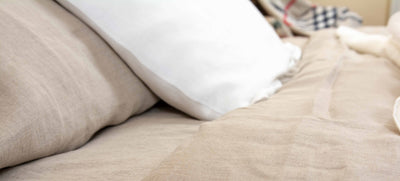
Its texture is part of its appeal. Premium quality natural linen has a soft, lived-in character rather than a glossy finish, and that relaxed look suits both contemporary and classic bedrooms. It also tends to improve with use, becoming softer after washing without losing strength.
The trade-off is that linen is rarely crisp in the polished hotel sense. It creases naturally, and that is part of its charm. It also sits at a more premium price point, though for many buyers the long lifespan justifies the spend.
Cotton
Cotton is familiar, versatile, and often the default choice. It can work very well, especially if you prefer a smoother finish or a slightly lighter upfront cost. Depending on the weave, cotton can feel cool and crisp or soft and cosy.
That said, cotton varies enormously in quality. A basic cotton duvet cover may feel pleasant at first but wear more quickly, thin out, or lose its shape over time. Cotton can also hold moisture more than linen, so it may not suit hot sleepers as well, particularly in warmer bedrooms.
Cotton blends
Blended fabrics, such as linen-cotton, are often chosen by shoppers who want a balance. A linen-cotton blend can soften the texture of linen, reduce some wrinkling, and offer a more approachable middle ground in price and appearance.
This can be a sensible option if you like some of linen’s natural breathability but want a slightly smoother look. The compromise is that blends usually do not deliver the full performance of pure linen in terms of airflow, durability, or that distinctive natural hand-feel.
Synthetic fabrics
Microfibre, polyester and other synthetic options are usually selected for price, easy care, and resistance to creasing. They may suit a spare room, student accommodation, or a short-term budget solution.
For everyday bedding, though, they are often less breathable and less comfortable against the skin, especially for those who overheat or prefer natural fibres. If sustainability and long-term quality matter to you, synthetics are rarely the strongest choice.
How to choose duvet cover fabric for the way you sleep
The best fabric depends less on labels and more on your routine.
If you are a warm sleeper, natural fibres should be your starting point. Linen performs particularly well here because it releases heat and moisture efficiently. That can make a visible difference to sleep comfort, especially in insulated modern homes where bedrooms do not cool down as much at night.
If your skin is sensitive, it is worth looking closely at fibre content and finish. Natural, skin-friendly fabrics with fewer chemical finishes are often a better fit. Linen is well regarded for this, especially when made from quality flax and finished with comfort in mind rather than artificial sheen.
If you love a formal, smooth bedroom look, cotton may appeal more immediately. If you prefer a softer, more relaxed luxury home feel, linen is hard to beat. Neither preference is wrong - it simply depends on whether you want tailored polish or natural ease.
If you are buying for a guest room, think about seasonality and broad comfort. Breathable natural fabrics tend to suit a wider range of sleepers and room temperatures, which makes them a safer long-term investment.
Weight, weave and why fabric details matter
A useful guide to choosing duvet cover fabric should go beyond fibre names. Weight and weave influence performance just as much.
Fabric weight is often measured in GSM, or grams per square metre. A lighter fabric can feel airy and fresh, while a heavier one may feel more substantial and cocooning. For duvet covers, the right choice depends on preference rather than a single ideal number.
With linen, a standard weight often gives the best all-round result for bedding - breathable, durable, and comfortable without feeling too heavy. Heavier linen can feel beautifully rich, but some sleepers may find it more substantial than they want for year-round use. Lighter linen can be lovely in warm weather, though it may not offer the same drape or longevity.
Weave matters too. A tighter weave can create a smoother hand and greater structure, while a more open weave may feel softer and more breathable. For makers buying fabric by the metre, these details are especially important, because the finished duvet cover will only perform as well as the cloth you begin with.
Care should match real life
A fabric is only a good choice if you are happy to live with it.
If you want bedding that can be washed, dried, and returned to the bed with minimal fuss, consider how much natural creasing you are comfortable with. Linen is easy to care for, but it does best when its relaxed finish is embraced rather than fought. If you expect a perfectly pressed look every time, that mismatch in expectation can become irritating.
Cotton may be easier for those who like ironing and a crisper finish, although it still depends on quality and weave. Synthetics often promise convenience, but many people find that convenience comes at the cost of breathability and comfort.
The most satisfying bedding purchases are usually the ones that suit your habits as much as your taste. There is no luxury in owning something that always feels like work.
Sustainability and long-term value
A duvet cover is not a throwaway item. It is handled, washed, and slept in week after week, so durability matters. Natural fabrics with strong fibres tend to justify their price over time because they do not need replacing as quickly.
This is one reason linen continues to stand apart. It is eco-friendly and durable, and when sourced well, it offers both comfort and longevity. For buyers who care about responsible materials, provenance also matters. Fabrics made from Irish and European flax linen and hand made in Ireland bring a level of traceability and craftsmanship that mass-produced bedding often cannot match.
At PureLinen.ie, that connection between premium natural materials, skilled making, and everyday use is central to the appeal. You are not only buying a look. You are buying bedding designed to be lived with for years.
So which fabric is best?
If you want the shortest answer, linen is the strongest all-round choice for many bedrooms. It is breathable, durable, naturally comfortable, and suited to year-round use. It works particularly well for warm sleepers, sustainability-minded buyers, and anyone who prefers understated luxury over overly polished bedding.
Cotton remains a reasonable option if you prefer a smoother, more traditional finish or a lower initial spend. Blends can bridge the gap if you want some of linen’s benefits with a slightly different look and feel.
The best choice, though, is the one that fits the way you sleep, the way you care for your bedding, and the way you want your bedroom to feel at the end of a long day. Choose fabric with that in mind, and the rest of the room tends to fall into place.

Leave a comment