

Is Linen Good for Eczema-Prone Skin?
That scratchy moment at 2am - when you roll over, your skin catches on the sheet, and suddenly you are wide awake trying not to itch - is familiar to anyone living with eczema. It is rarely just “dry skin”. It is heat, friction, detergent residue, and fabric texture all piling on at once.
So, is linen good for eczema skin? Often, yes - but only when you choose the right kind of linen and care for it in a way that keeps it genuinely gentle.
Is linen good for eczema skin, or will it feel rough?
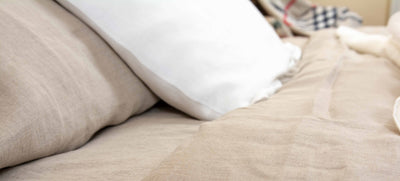
Linen has a reputation for being “textured”. If you have only felt brand-new, untreated linen, you might assume it is too crisp for sensitive skin. The truth is more nuanced: good linen tends to soften with use and washing, and many people with eczema prefer it precisely because it becomes pliable without turning clingy or sweaty.The key distinction is quality and finish. Long-fibre flax, a well-made weave, and a fabric weight suited to bedding can feel smooth and calm against the skin. Poorer linen, or linen with a coarse weave, can feel abrasive - especially during a flare when your skin barrier is already compromised.
If you are eczema-prone, think of linen like a good pair of leather shoes: the wrong pair is immediately uncomfortable, but the right pair becomes a favourite because it moulds to you and improves over time.
Why linen can suit eczema-prone skin
Eczema is often triggered by a combination of irritation and overheating. Linen cannot “treat” eczema, but its natural performance can reduce some of the day-to-day fabric triggers that make skin feel worse.Breathability that helps regulate heat
Overheating is a common itch amplifier. Linen fibres allow air to move and moisture to evaporate, which can help reduce that hot, trapped feeling you sometimes get with dense synthetics. For many people, fewer night sweats means fewer wake-ups and less friction from tossing and turning.Moisture management without clamminess
When skin is sensitised, dampness can feel miserable - and can also increase rubbing. Linen is known for handling moisture well. It does not tend to cling to the body in the way some fabrics do, which can be a small but meaningful comfort win when your skin is reactive.A fibre that softens rather than pills
With eczema, tiny irritations add up. Fabrics that pill or fuzz can create extra rubbing. Linen generally does not pill in the same way many cotton knits and blended fabrics can, and it often becomes smoother with washing. That “broken-in” softness is one reason linen bedding becomes so loved.Less static, less “grab”
Static can make fabric feel like it is tugging at dry areas. Linen tends to create less of that clingy, static-heavy sensation, particularly compared with synthetic bedding.When linen might not be the best choice
It depends on your current skin condition, your sensory preferences, and the exact linen you are considering.If you are in an active flare with broken skin, even a mildly textured fabric can feel too much. In those moments, a very smooth, tightly woven cotton can feel gentler. Linen can also feel cool and “dry” to the touch, which some people love and others find unfamiliar.
There is also a real risk in buying cheap linen or “linen-look” fabrics. A linen-viscose blend can feel soft at first but may trap heat, while some lower-grade linen weaves can be coarse and inconsistent. If your skin is easily irritated, the details matter.
What to look for in linen bedding if you have eczema
You do not need to become a textile engineer, but choosing linen with a few specifics in mind can make a noticeable difference.Choose a bedding-appropriate weight
Very lightweight linen can feel airy, but it can also feel a bit wiry if the yarns are not refined. Very heavy linen can feel substantial and cosy, but if you run warm it may feel too weighty. For eczema-prone sleepers, a mid-weight bedding linen is usually the sweet spot - enough structure to last, but not so heavy that it encourages overheating.Prioritise a smoother weave and good finishing
Look for linen described as pre-washed or enzyme-washed if you prefer softness from day one. If it is not pre-washed, plan for a few washes before it reaches its best feel. Stitching and seam finishing matter too: an itchy seam can undo the comfort of a good fabric.Be cautious with blends and added finishes
Not all blends are bad, but if eczema is your primary concern, keep it simple. Some blends can be warmer or less breathable, and some finishes used for “easy care” or a crisp look can be irritating for very reactive skin. If you are sensitive, plain, well-made 100% linen is often the cleanest starting point.Think beyond sheets: pillowcases matter most
Your face and neck can be particularly reactive. A breathable, well-finished linen pillowcase can reduce that warm, occluded feeling that sometimes comes with tighter, less breathable fabrics.How to wash linen for sensitive, eczema-prone skin
For eczema, the washing routine can matter as much as the fabric choice. Linen is forgiving, but your skin might not be.Wash new linen before use. This helps remove any residual lint, dust from storage, and the general “new textile” feel.
Use a fragrance-free, dye-free detergent if you know fragrance triggers you. Even if linen itself is well tolerated, scented detergents and fabric conditioners can be the hidden culprit.
Skip fabric softener. It can leave a coating that reduces linen’s natural breathability and can irritate sensitive skin. Linen softens with washing anyway.
Rinse well. If your machine has an extra rinse option, it is often worth using for bedding during flare seasons.
Dry gently. Line-drying gives that crisp freshness, while a short tumble on low heat can soften further. If you do tumble-dry, avoid overdrying, which can make fibres feel harsher and can increase static.
Linen in a full eczema-friendly bed set-up
If you are trying to calm your sleep environment, linen works best as part of a wider “reduce the irritants” approach.Start with what touches you most: pillowcases, then fitted or flat sheets, then duvet covers. If budget is a concern, upgrading just the pillowcases and sheet can still change how your skin feels overnight.
Pay attention to bedroom temperature and humidity too. Linen shines in rooms that run warm, but if your room is very dry, you may want to support your skin barrier with your usual emollient routine and keep washing products as simple as possible.
For those who sew, making your own pillowcases or simple top sheets can be a satisfying way to control every variable - fabric, seams, and sizing - especially if you have a particular sensitivity to trims, buttons, or decorative edging.
A note on sustainability and skin comfort
Eczema-prone customers often end up buying multiple “solutions” that do not last: synthetic cooling bedding, heavily finished fabrics, or items that feel good for a month and then pill or lose shape. Linen’s durability is part of what makes it a calmer long-term choice. A textile that lasts - and improves in feel - reduces the need to constantly switch fabrics against already stressed skin.If you are choosing linen for both comfort and sustainability, provenance can help you buy with confidence. Pure, well-sourced flax linen from trusted European supply chains tends to be more consistent in hand-feel and performance than bargain alternatives. Brands that make locally and specify their linen clearly are generally easier to trust when your skin is the end user.
If you are looking for premium quality natural linen bedding and fabrics that are handmade in Ireland, you can explore PureLinen.IE for bedroom essentials and linen by the metre.
So, is linen good for eczema skin?
For many people, linen is a strong choice because it is breathable, manages moisture without feeling clingy, and softens into a comfortable, low-fuss fabric over time. The trade-off is that not all linen feels the same on day one, and during a severe flare you may prefer the smoothest possible surface until skin settles.If you want to test it without overcommitting, begin with a well-made linen pillowcase and commit to washing it a few times with a gentle, fragrance-free routine. Your skin will tell you quickly whether that dry, cool, breathable feel is a relief - and once it is, bedtime stops being a negotiation.

Leave a comment