

Linen Duvet Covers in Ireland: What to Buy
The first night you swap to linen is usually the moment you stop treating bedding as “just bedding”. Linen feels different - cooler at the start of the night, less clingy when the room warms up, and quietly cosy by morning. In Ireland, where bedrooms can swing from humid to chilly in the space of a week, that balance matters.
If you are searching for a linen duvet cover Ireland shoppers can rely on, it helps to know what actually changes from one duvet cover to the next. Not the buzzwords - the things you will feel at 11pm, and still appreciate after fifty washes.
Why linen works so well in Irish bedrooms
Linen is made from flax - a natural fibre with a slightly crisp hand-feel that relaxes over time. What makes it so suited to Irish homes is its ability to deal with variable conditions. Linen is breathable, and it releases moisture readily, so it tends to feel fresher in a mild, damp climate than many synthetics and some tighter-weave cottons.There is also a practical, everyday advantage: linen is naturally strong. A well-made linen duvet cover can take the wear that comes with regular washing, pets hopping up, kids climbing in on weekend mornings, and the general reality of lived-in beds.
You will still see trade-offs. Linen can look more relaxed than perfectly pressed cotton percale, and it can feel slightly textured at the beginning. If you want a “hotel-smooth” finish, linen may not be your first choice. If you want breathable comfort that gets better with age, linen is hard to beat.
Linen duvet cover Ireland: what you are actually choosing
Shopping linen can feel confusing because brands often lump very different fabrics under the same label. When you compare duvet covers, focus on a few specifics that directly affect comfort and longevity.Fabric weight: light, standard, or heavy
Linen weight is often described by GSM (grams per square metre). Higher GSM generally means a denser, more substantial fabric. A lighter linen duvet cover can feel airier and dries quickly after washing, which suits warmer bedrooms or anyone who runs hot. A heavier linen feels more cocooning and can drape beautifully, which many people love in winter or in cooler homes.Neither is “best”. It depends on your room temperature, how you heat your home, and whether you prefer a floaty cover or one with a little more presence.
The weave and the feel
Most duvet covers use a plain weave linen. The weave affects breathability and texture, but finishing matters too. Some linens are softened in production for a more relaxed feel from day one. Others feel crisper initially and soften gradually.If you are new to linen, aim for a fabric that is comfortable from the start but still clearly linen - natural, breathable, and not overly processed.
Construction details you will notice
A duvet cover is only as good as its finishing. Look at seams, closures, and how neatly corners are made. Buttons can feel traditional and secure; ties can be practical if you like an adjustable closure. If you use a duvet that shifts about, internal corner ties can make a real difference to how tidy the bed stays.Good construction is also what keeps your duvet cover looking like a premium piece of home textile rather than something that twists and loses shape after a few spins in the machine.
Getting sizing right (and avoiding the common mismatch)
In Ireland, sizing can trip people up because you may have an Irish or UK-size duvet, or something bought abroad. Before you order, measure your duvet itself rather than relying on what you think the size is.A duvet cover that is too small will feel tight and can pull at seams. Too large, and you get extra fabric that bunches and leaves the duvet sliding around inside. If you are between sizes, consider whether you prefer a fuller, draped look (slightly larger can work) or a neat, tailored finish (closer fit). The right choice often comes down to how you make the bed and whether you use a top sheet.
If you are buying for a gift, ask discreetly what size duvet is on the bed. It is the simplest way to make sure your “thoughtful, premium” present lands as intended.
Colour and style: keeping linen looking elevated
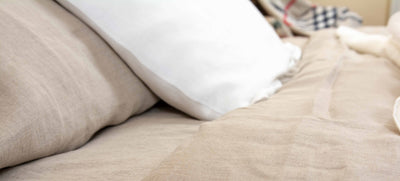
Linen is naturally matte, which gives colour a softer, more lived-in depth than shiny fabrics. Neutrals are popular for a reason: they show off linen’s texture and work across seasons. But muted colour can be just as timeless - think earthy tones, soft blues, and warm clay shades that suit Irish light.If your goal is a calm, luxury bedroom, let texture do the work. A linen duvet cover paired with matching pillowcases instantly looks considered, even if you are not styling the room. If you like a more layered look, mix tones within the same family (for example, oatmeal with white, or slate with light grey) rather than stark contrasts.
One honest note: very pale colours can show marks more quickly, especially in busy family homes. If you want the light, airy look but need practicality, mid-tone neutrals can be a smart compromise.
Linen care that fits real life
Linen is not precious, but it does reward sensible care. For day-to-day washing, a gentle cycle and a mild detergent are usually enough. Avoid overloading the drum so the fabric can move freely - that helps reduce hard creasing and protects seams.Tumble drying is where “it depends” really applies. Air-drying is kinder and often keeps the fibres strong for longer, but it can leave linen crisp. A short, low tumble can soften it quickly if you like a more relaxed feel. If you do tumble dry, do not bake it - high heat is what shortens the life of most textiles.
If you love the look of linen straight off the line, embrace it. If you prefer it smoother, iron while slightly damp, or use a steamer. Many linen owners do neither and still end up with a bed that looks effortlessly put together.
Comfort questions: will it feel scratchy?
The word “scratchy” gets used a lot, and it can mean different things. True, good flax linen has texture - that is part of the appeal - but it should not feel irritating. If your skin is sensitive, pay attention to how the linen is finished and how tightly it is woven.Linen also softens with washing and use. The change is noticeable: what feels crisp in week one can feel supple by week four, and genuinely comforting after a few months. If you want immediate softness, choose linen that is already washed and softened, but avoid anything that feels unnaturally slick - it can be a sign of heavy processing.
Sustainability, provenance, and the “real linen” check
If you are buying linen for sustainability reasons, look beyond the word “linen” on a product page. The most meaningful indicators are fibre quality, responsible sourcing, and whether the item is made to last.European flax is widely respected for its quality, and a duvet cover made with good flax linen can reduce the cycle of replacing bedding every couple of years. That is the sustainability that shows up in your home: fewer purchases, less waste, and a textile that ages gracefully instead of thinning and pilling.
It is also worth being wary of blends if your priority is that classic linen performance. Linen-cotton blends can be lovely - often a bit smoother and sometimes lower maintenance - but they will not behave exactly like pure linen for breathability and moisture release.
When it makes sense to buy Irish-made
There is a difference between “linen shipped to Ireland” and linen made with local craftsmanship. If you value traceability, supporting local making, and having a clearer line of sight on quality, Irish-made can be the better fit.It can also be a practical advantage. A brand that makes and finishes locally tends to know their fabrics, sizes, and construction details inside out, and can often offer extras such as embroidery or personalised finishing for gifting.
If you are choosing linen for a wedding gift, a housewarming, or a birthday that matters, that provenance can turn bedding into something that feels properly considered.
For customers who want premium linen that is hand made in Ireland from quality flax linen, PureLinen.IE offers duvet covers, pillowcases and bedding sets designed for everyday comfort with a sustainable, long-wearing finish.
The final decision: what will you feel every night?
A linen duvet cover is one of those rare home purchases that you notice twice: immediately, when the fabric hits your skin, and later, when you realise it is still your favourite after countless washes. If you choose the right weight for your room, the right size for your duvet, and a colour you will not tire of, linen stops being a “treat” and becomes the standard you compare everything else to.Pick the duvet cover you will be happy to pull up on an ordinary Tuesday night - that is where linen quietly earns its keep.

Leave a comment