

How to Wash a Linen Duvet Cover Right
A linen duvet cover should feel better with time, not worse after three washes. If yours has gone a little stiff, lost some of its softness or come out of the machine more creased than expected, the issue is usually the wash routine rather than the fabric itself.
Premium natural linen is one of the most durable and comfortable choices for the bedroom, but it responds best to gentle, informed care. The good news is that learning how to wash linen duvet cover properly is simple once you know what linen likes and what it does not.
How to wash linen duvet cover without damaging the fibres
Start by turning the duvet cover inside out and fastening buttons, ties or zip closures. This reduces friction on the outer surface and helps protect the finish during the wash. If you have embroidered details or contrast trims, this step matters even more.
Wash your linen duvet cover separately from heavy items such as towels or garments with zips. Linen is strong when wet, but that does not mean it enjoys rough treatment. A crowded drum or mixed load can cause unnecessary abrasion, deeper creasing and uneven rinsing.
Choose a gentle cycle with cool or lukewarm water. In most homes, 30°C is ideal, while 40°C can work for a more thorough freshen-up if the care label allows it. Very hot water is rarely necessary for everyday bedding and can shorten the life of natural fibres over time. If your duvet cover is made from high-quality European flax linen, a moderate wash is usually enough to keep it fresh and beautifully soft.
Use a mild liquid detergent rather than a harsh powder. Liquid detergents tend to dissolve more fully and are less likely to leave residue in the weave. Keep the dose modest. Too much detergent does not mean cleaner bedding - it often means build-up, reduced softness and extra rinsing.
Avoid bleach, even on white linen. It can weaken the fibres and flatten the natural character that makes linen so appealing in the first place. Fabric conditioner is also best skipped. It may sound counterintuitive, but linen softens naturally with use and washing. Conditioners can coat the fibres and reduce breathability.
The best temperature for washing linen bedding
People often worry that cool washing will not clean bedding properly. For routine care, that concern is usually unnecessary. A duvet cover used in a normal home setting does not need aggressive heat each time it is washed.
For regular laundering, 30°C is a safe and effective choice. It protects colour, helps preserve the natural strength of the yarns and uses less energy, which suits a more sustainable home routine. If the duvet cover has been used during warm weather, after illness, or simply feels in need of a deeper clean, 40°C is often a sensible middle ground.
Higher temperatures can be useful in very specific cases, but they should not be your default. Repeated hot washes can make linen feel drier and can lead to faster wear, especially in finer weaves. It depends on the fabric weight, finish and how often the bedding is laundered. If in doubt, stay cooler rather than hotter.
How often should you wash a linen duvet cover?
For most households, every one to two weeks is a good rhythm. If you shower at night, sleep cool and keep your bedroom well ventilated, you may stretch a little longer. If you sleep warm, share the bed with pets or use skincare products that transfer onto bedding, weekly washing will keep things fresher.
Linen is naturally breathable and moisture-wicking, which helps it stay comfortable between washes. That is one of the reasons it is so well suited to luxury bedding. Still, breathable does not mean self-cleaning. A steady care routine will keep your duvet cover feeling clean against the skin and looking polished on the bed.
Drying linen properly matters as much as washing
The biggest difference between beautifully lived-in linen and linen that feels tired often happens at the drying stage. Once the cycle finishes, remove the duvet cover promptly. Leaving it sitting wet in the drum can set hard creases and create a musty smell that sends you back to square one.
Air drying is the gentlest option. Shake the duvet cover out well, smooth the seams with your hands and hang it flat over a line or airer if possible. Good airflow is helpful, especially in Irish weather where indoor drying is often the practical choice for part of the year.
If you prefer to use a tumble dryer, keep it on a low heat and do not overdry. Linen responds well to a short, gentle tumble, especially if you want a softer hand feel. The trick is to remove it while still slightly damp. From there, you can smooth it by hand or put it straight back on the bed for a relaxed finish.
Strong heat is where many people go wrong. It can leave linen feeling overly crisp and make wrinkles harder to manage rather than easier.
Do you need to iron a linen duvet cover?
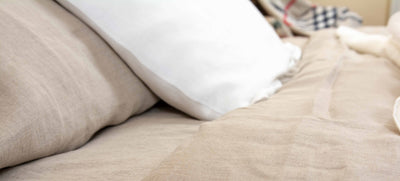
Only if you want a more tailored look. Linen’s natural creasing is part of its charm and part of what gives a bed its relaxed, inviting character. In many homes, a gently rumpled linen duvet cover looks far more luxurious than something pressed to stiffness.
If you do prefer a smoother finish, iron while the fabric is still slightly damp, using a medium-hot setting suitable for linen. Iron on the reverse if the duvet cover is dyed in a deeper shade or has decorative details. Steam can help, but too much heat in one spot is not necessary.
There is also a middle option, which suits most people best. Dry until just damp, smooth with your hands and dress the bed straight away. The fabric settles naturally and looks crisp without looking rigid.
Stains, marks and problem washing
A duvet cover will occasionally pick up more than ordinary wear - tea, makeup, body oils or the odd breakfast-in-bed mishap. When that happens, treat the mark before washing rather than hoping the machine will handle it alone.
Blot rather than rub. Use a mild stain treatment or a little diluted detergent and test it on an inconspicuous area first. Natural fibres can react differently depending on the dye, weave and finish. Rubbing aggressively can roughen the surface and spread the stain further into the yarns.
For oil-based marks, patience helps. You may need to treat and wash more than once. That is far better than reaching for strong chemicals that can compromise the fabric. Linen is durable, but premium bedding deserves a measured approach.
If your duvet cover feels rough after washing, detergent build-up is often the cause. Use less next time and consider an extra rinse. If it looks heavily creased, the load may have been too full or the spin too fast. Small adjustments usually make a noticeable difference.
Storage and long-term care
Once clean, store your linen duvet cover in a cool, dry cupboard with enough space for airflow. Avoid plastic storage for long periods, as natural fibres prefer to breathe. A cotton storage bag or neatly folded shelf stack is a better fit.
If you rotate between bedding sets, that is even better for longevity. Giving each duvet cover a rest between uses reduces wear and keeps the fibres in better condition over the years. Premium linen is an investment piece for the bedroom, and it rewards thoughtful care with exceptional durability.
For households building a more sustainable home, this is one of linen’s strongest qualities. You are not caring for something fragile or disposable. You are caring for a fabric designed to last, soften and serve beautifully over time.
A simple care routine that keeps linen beautiful
If you want the shortest answer to how to wash linen duvet cover, it is this: wash gently, use mild detergent, avoid harsh heat and dry with care. That routine preserves softness, protects the fibres and keeps the natural comfort of linen exactly where it should be - against your skin, night after night.
At PureLinen.ie, we believe premium quality natural linen should earn its place in your home for years, not seasons. Treat your duvet cover well, and it will keep rewarding you with breathability, softness and that unmistakable lived-in elegance that only real linen can offer.
A well-cared-for linen bed never looks overdone, and that is part of its appeal - relaxed, refined and ready for another good night’s sleep.

Leave a comment